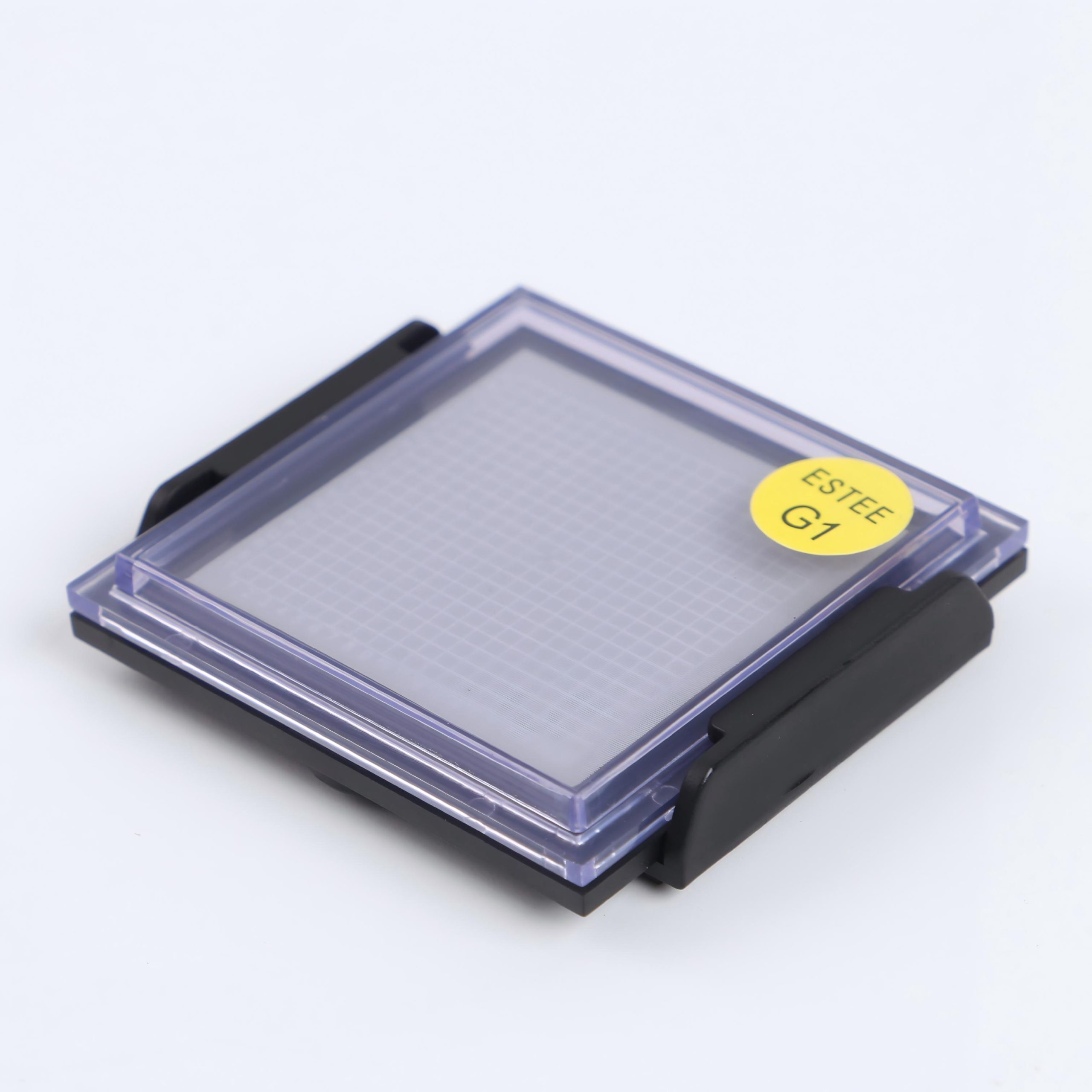
VR Vacuum Release Tray

VR Vacuum Release Tray

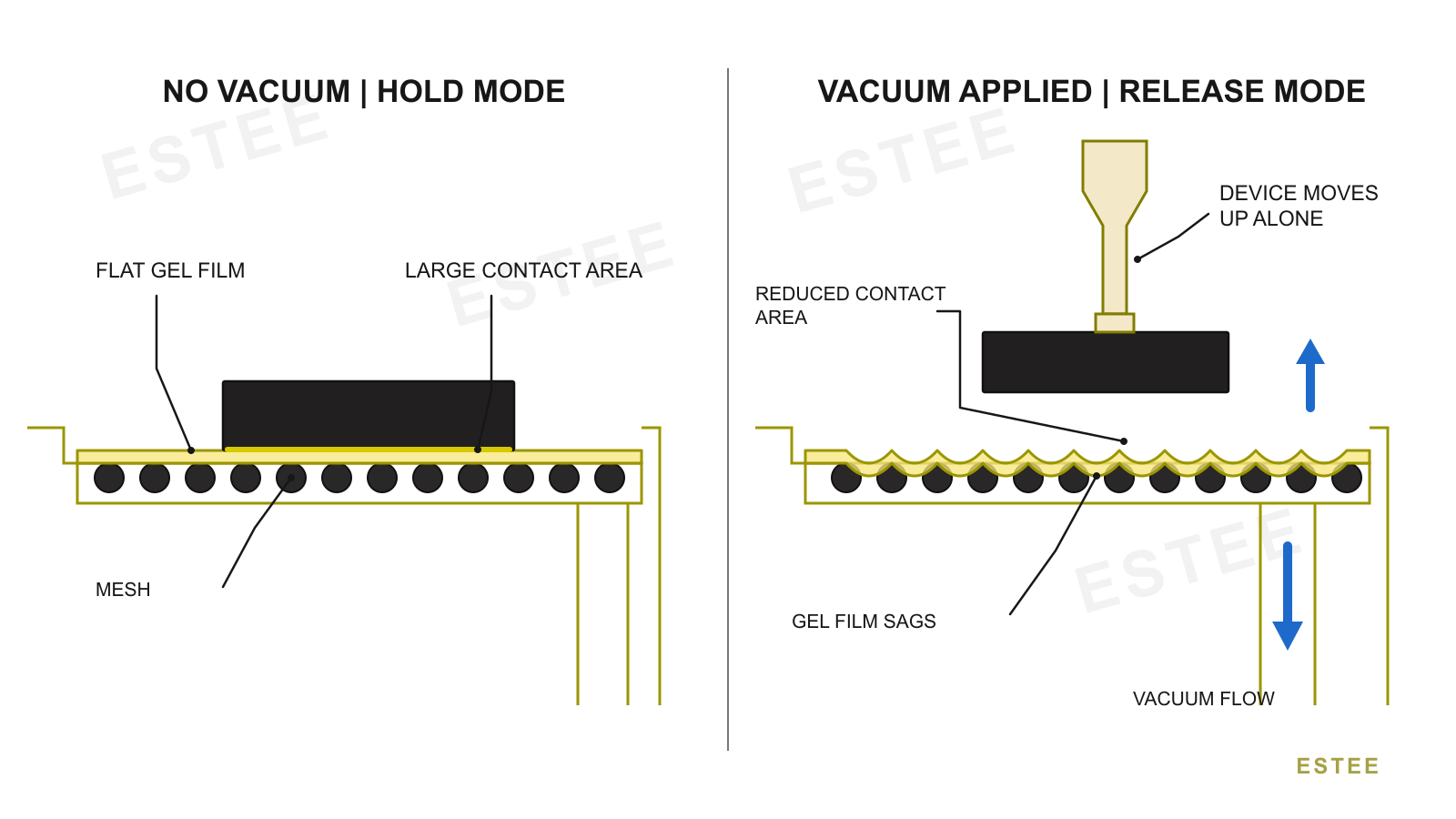
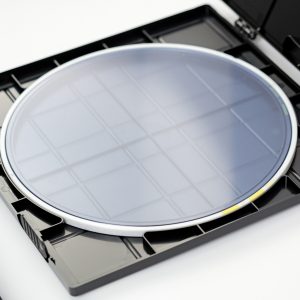
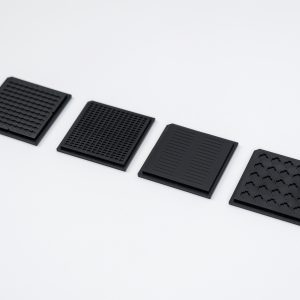
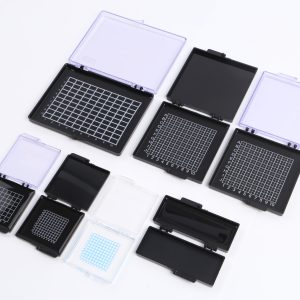
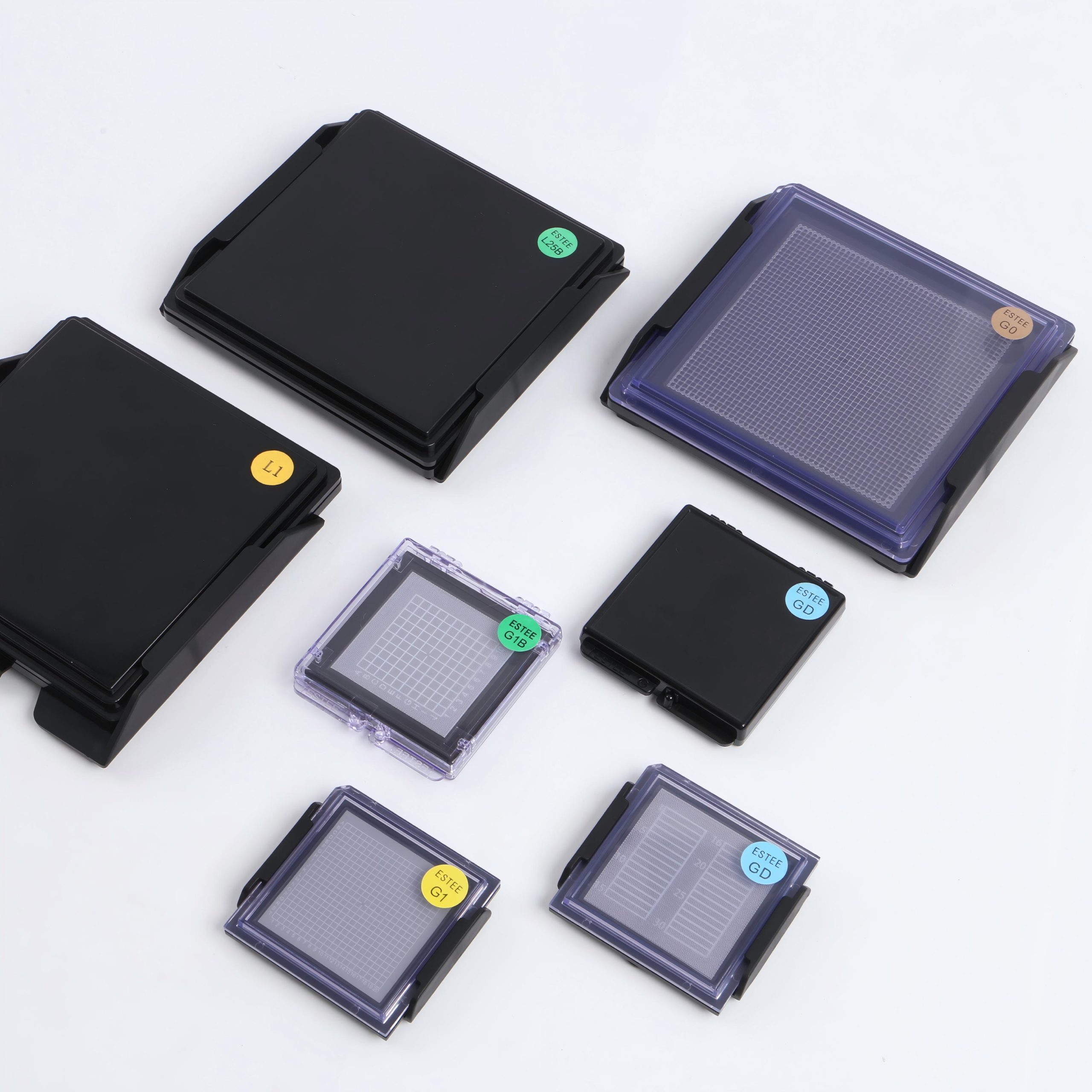
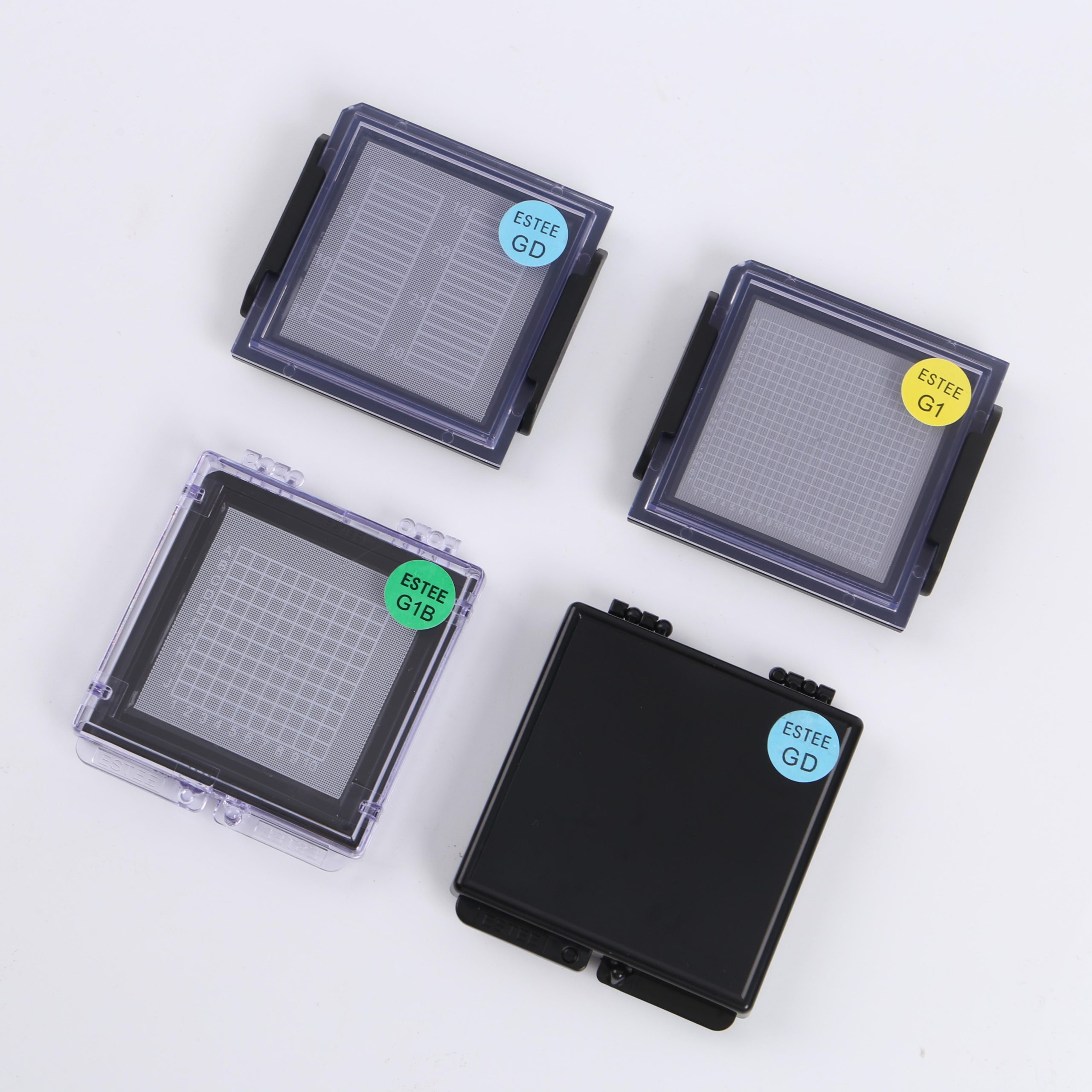
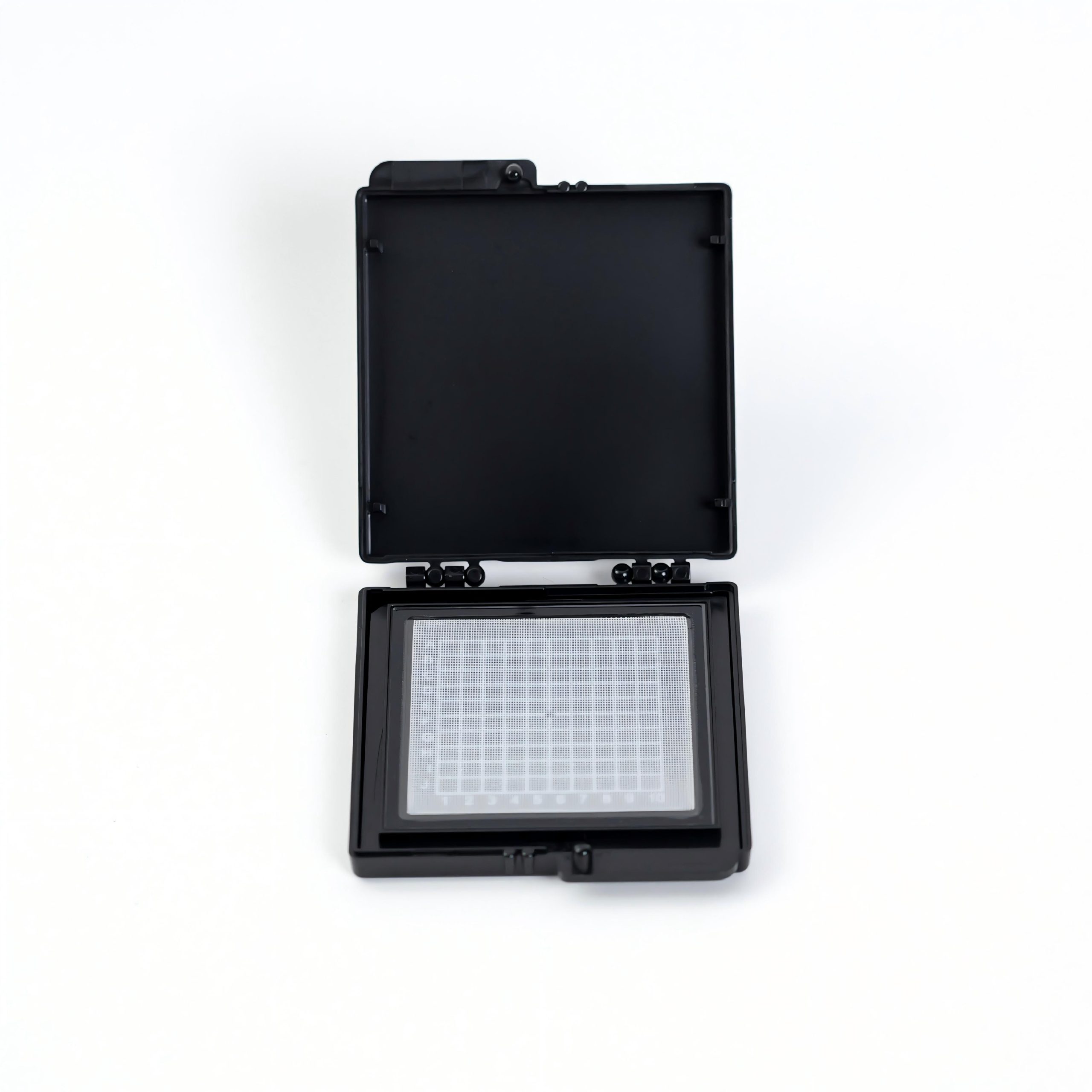
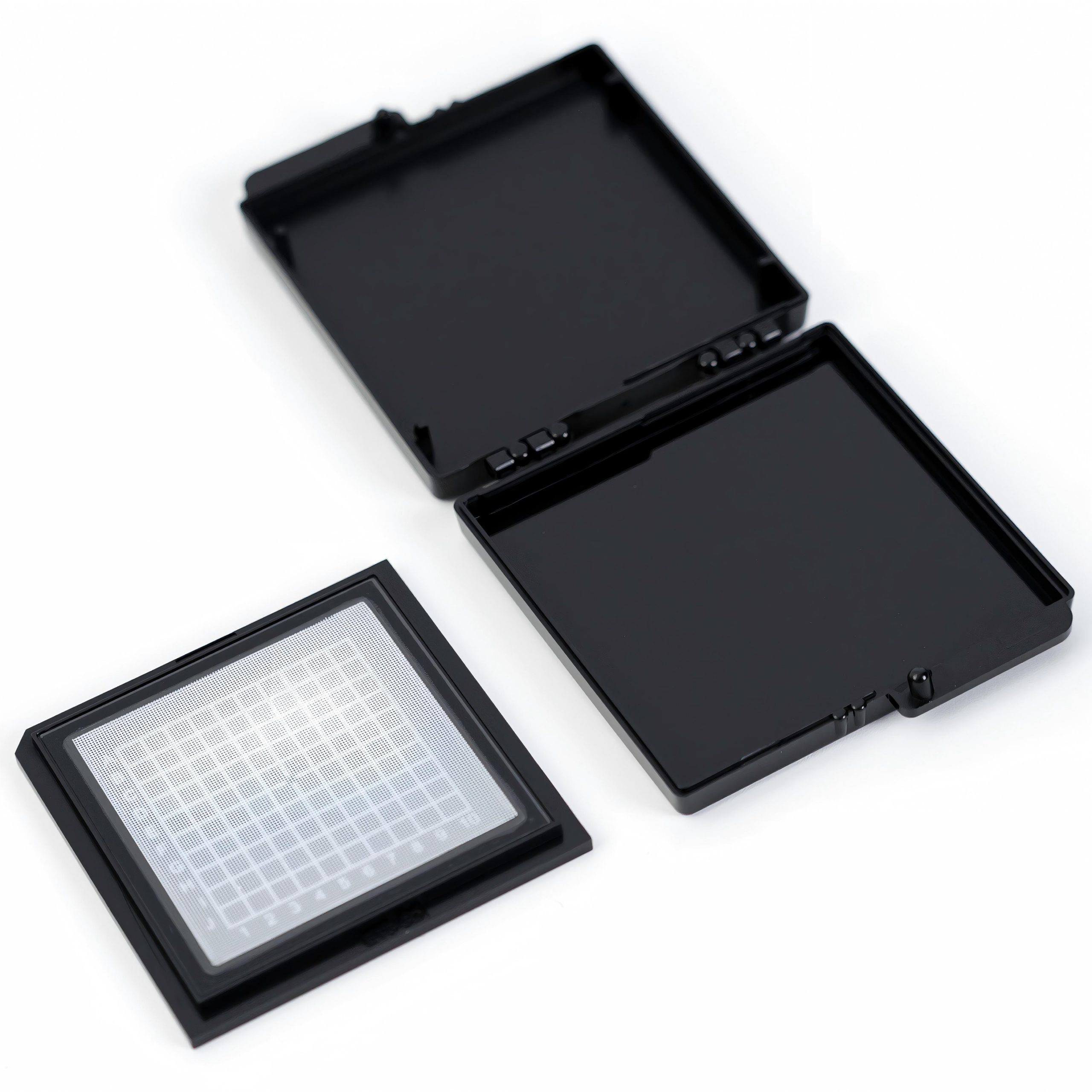
The ESTEE VR Vacuum Release Tray is constructed with a special transparent polymer film supported by a precision mesh. In the normal holding state, devices remain attached to the film during handling, inspection, storage and transportation. When vacuum is applied beneath the tray, the film conforms to the mesh and the holding force decreases rapidly, enabling easy removal by manual and automated pick-and-place equipment.

Product Details

Parameter

Typical Value

Tray size

2-inch, 4-inch, 6-inch

Mesh

15, 36, 74, 100, 135, 195

Grid printing

1010A, 2020A, 0215A

Adhesion level

GL, GD, G1, G2, G3, G5, G6, G7


Adhesion Level

Standard Grade

Application Guidance

Ultra-low

GL

Extremely small, thin and release-sensitive devices

Low

GD

Small, lightweight and polished devices

Medium-low

G1

General optical and semiconductor components

Medium

G2, G3

Etched surfaces and moderately weighted components

High

G5, G6

Rougher surfaces and heavier devices

Ultra-high

G7

High-retention applications

Parameter

Typical Value

Tray size

2-inch, 4-inch, 6-inch

Mesh

15, 36, 74, 100, 135, 195

Grid printing

1010A, 2020A, 0215A

Adhesion level

GL, GD, G1, G2, G3, G5, G6, G7


Adhesion Level

Standard Grade

Application Guidance

Ultra-low

GL

Extremely small, thin and release-sensitive devices

Low

GD

Small, lightweight and polished devices

Medium-low

G1

General optical and semiconductor components

Medium

G2, G3

Etched surfaces and moderately weighted components

High

G5, G6

Rougher surfaces and heavier devices

Ultra-high

G7

High-retention applications

Secure Handling and Release

Vacuum-release technology secures devices during handling and transport while enabling controlled, low-stress removal.

Secure Handling and Release

GL–G7 adhesion grades accommodate varying device sizes, weights, contact areas, and surface conditions.

Tailored Tray Configuration

Mesh count, tray dimensions, and construction are tailored to device geometry, release behavior, and equipment interfaces.

Configurable ESD Performance

ESD properties are configured according to device sensitivity and specified resistance requirements.

End-to-End In-House Manufacturing

Injection molding, adhesive-film coating, and assembly are performed in-house, enabling tight process control and extensive customization.

Collaborative Custom Engineering
Customization spans molded-part appearance and dimensions, film adhesion, prototyping, pilot production, and volume production.

Optoelectronics

Laser dies · Photodiodes · Modulators

Micro-Optics

Optical filters · Lenses · Mirrors · Prisms

Photonic & IC Dies

Silicon photonics · TIA/driver dies · MEMS · Sensors

Precision Components

Ceramic components · Fiber tips

Stage

Customer Input / Action

ESTEE Deliverable

1. Requirement Input

Provide device material, surface roughness, device dimensions, contact area, weight, required tray size, pickup method and ESD requirements.

Confirmed requirements for protection, release performance, ESD control, and equipment compatibility.

2. Engineering Recommendation

\

Recommended grade, matching mesh count, tray structure and ESD configuration.

3. Sample Validation

Test samples with actual devices and the intended manual or automated pickup process; verify the effectiveness of holding, release and handling.

Sample set, validation guidance and any necessary adjustment to film, mesh or tray construction.

4. Pilot and Mass Production

Approve the validated configuration, drawing/specification and acceptance criteria.

Small-batch pilot production, issue closure and controlled transition to mass production.

How Vacuum Release Works

Operating State

Film Condition

Function

Hold Mode

The film remains supported in its normal position.

Provides stable retention during storage, transfer and transportation.

Vacuum Applied

The film is drawn toward the support mesh.

Reduces the effective contact area between the device and film.

Pickup / Release

Holding force decreases rapidly.

Supports low-stress manual and automated device removal.


FAQ

The MOQ of fiber optic cable is 1km.
Firstly let us know your requirements or application. Secondly we quote according to your requirements or our suggestions. Thirdly customer confirms the samples and places deposit for formal order. Fourthly we arrange the production.
Yes,we have own factory,OEM is available.Please contact us and give me your design before our production.
Firstly,we use top quality raw material(best fiber and friendly sheath material etc),Then surveyor will do the test,such as raw material quality test,fiber optic attenuation test and high or low temperature test etc.
We usually quote you within 24 hours after we get your inquiry. If you are very urgent to get the quotation.Please call us or tell us in your mail, so that we could regard your inquiry priority.
Over 20000 square meters.More than 26 productions lines in total,About 300 well-trained staff and engineers.

Get In Touch for More Information