
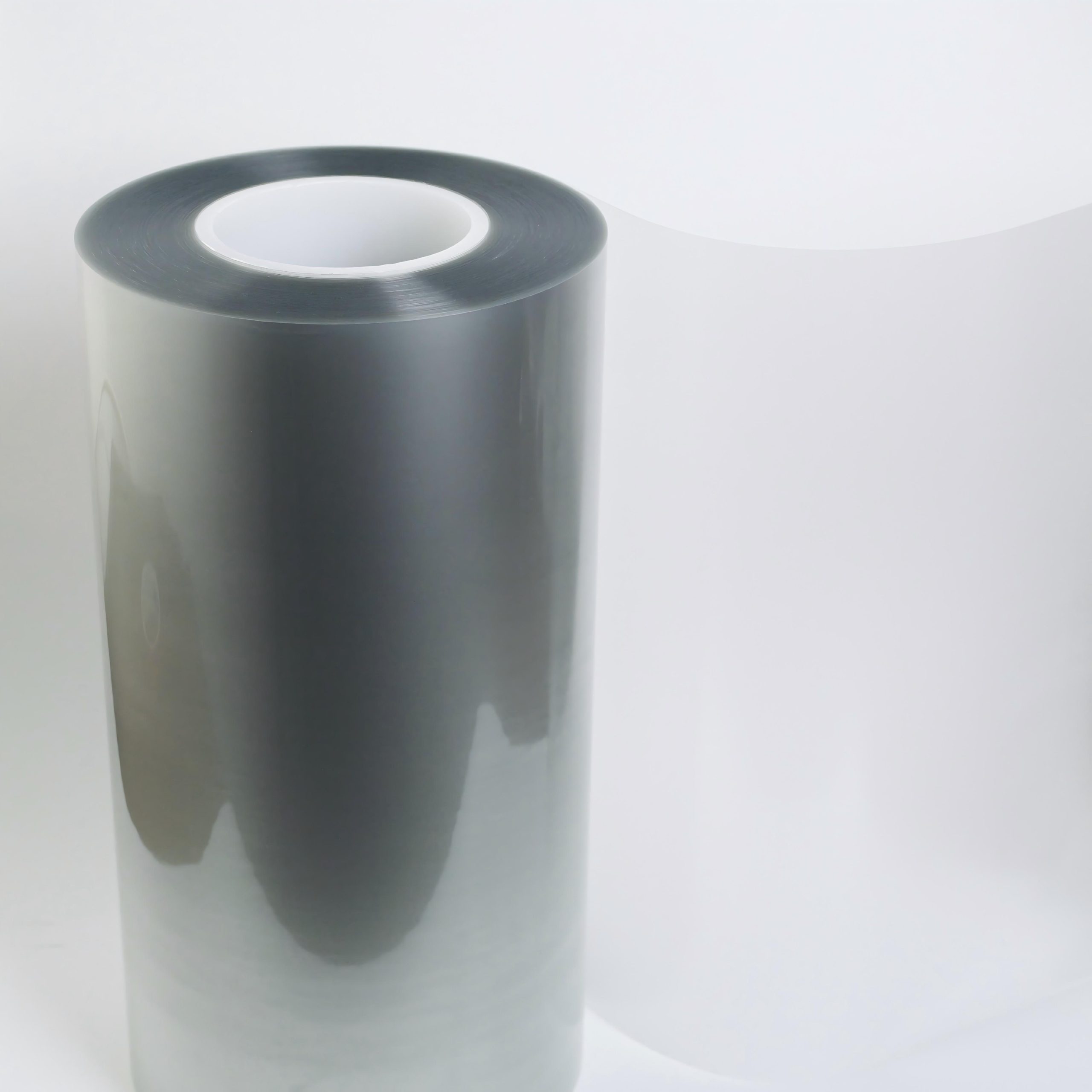
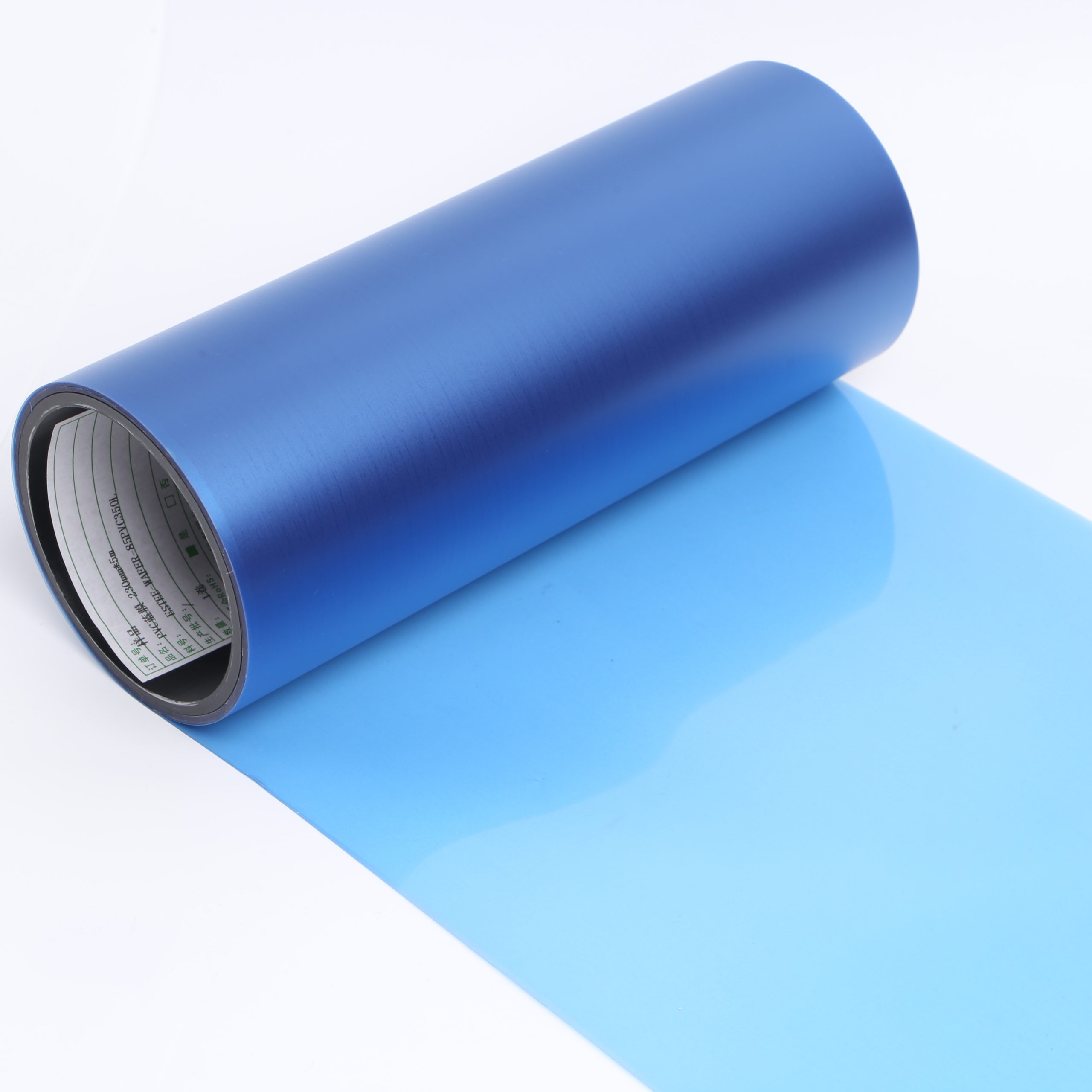
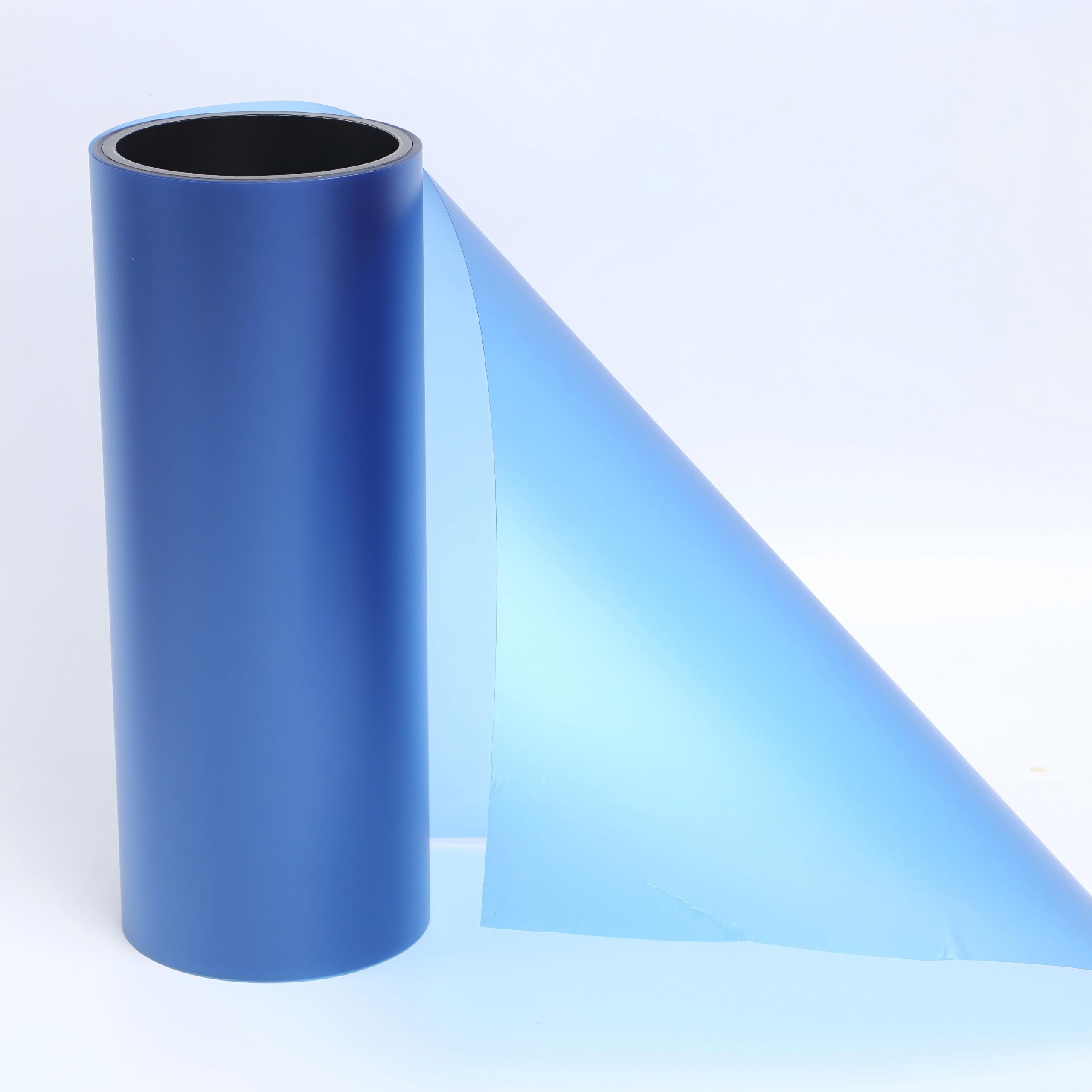
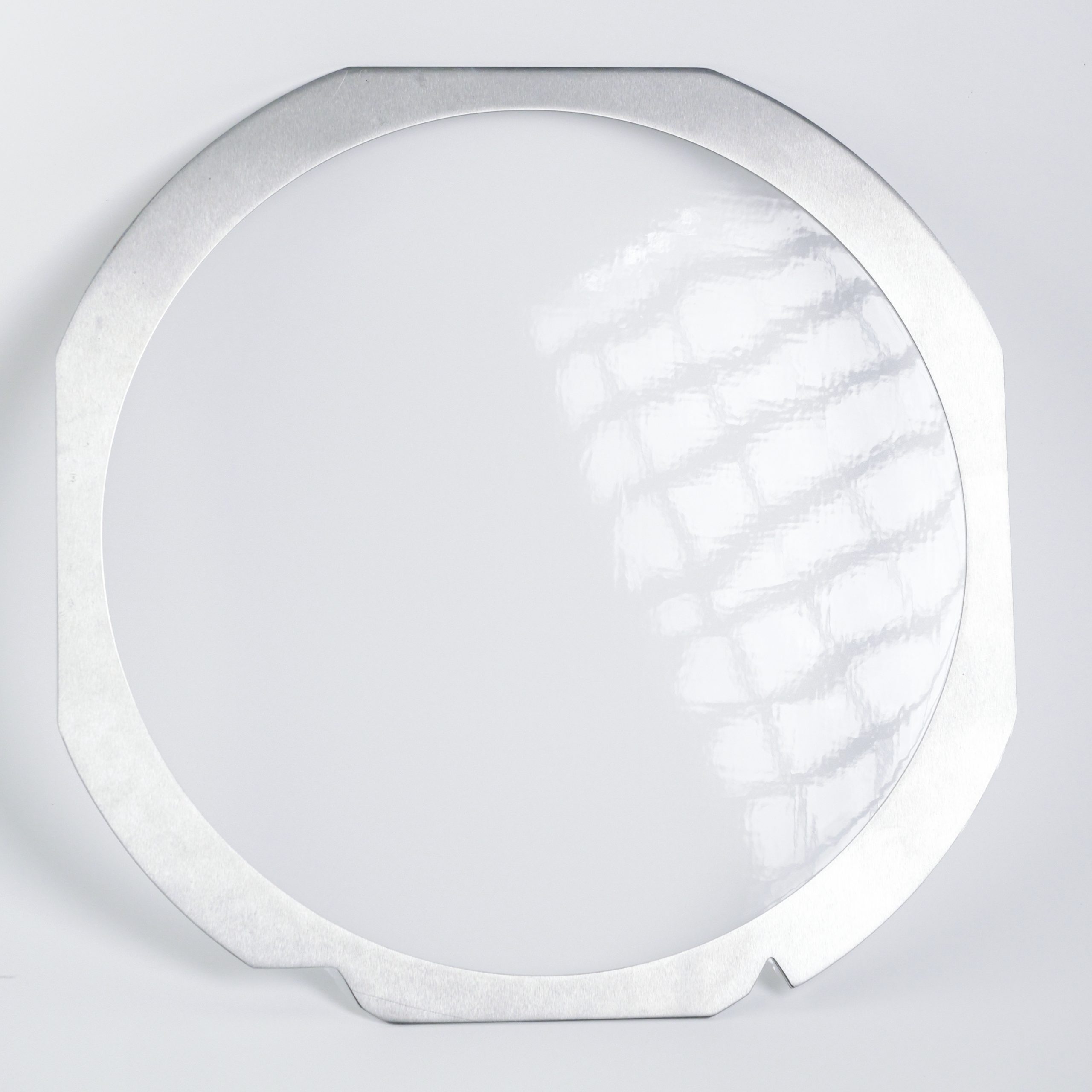
ESTEE UV Dicing Tape is designed for the dicing and singulation of wafers, glass, substrates and other workpieces. Before UV exposure, the tape securely holds the wafer or workpiece on a ring frame to help suppress movement, die flying, and abnormal vibration. After dicing, UV exposure cures the adhesive and sharply reduces adhesion, supporting low-stress manual and automated pickup while reducing pickup stress, chipping, and residue risk.
|
Parameter |
Typical Value |
|
Base film |
PO, PVC, PET |
|
Peel Adhesion |
Customization available |
|
ESD performance |
Surface Resistivity: 10⁴-10⁹ Ω/sq; Unwind-voltage: <100 V |
|
Optical options |
High-transmission configurations are available for laser and special process |
|
Roll format |
Roll width and length can be customized |
UW Series - Wafer Dicing
|
Technical Item |
UW-85PO500EL |
UW-85PO1000EL |
UW-85PO1500EL |
|
Base Film - Thickness (μm) / Material |
80 / PO |
80 / PO |
80 / PO |
|
UV adhesive thickness (μm) |
5 |
5 |
5 |
|
Before UV adhesion (gf/inch) |
500 |
1000 |
1500 |
|
After UV adhesion (gf/inch) |
<50 |
<50 |
<50 |
|
Technical Item |
UW-85PVC60EL |
UW-85PVC600EL |
UW-85PVC1200EL |
|
Base Film - Thickness (μm) / Material |
75 / PVC |
75 / PVC |
75 / PVC |
|
UV adhesive thickness (μm) |
10 |
10 |
10 |
|
Before UV adhesion (gf/inch) |
60 |
600 |
1200 |
|
After UV adhesion (gf/inch) |
<10 |
<50 |
<50 |
UG Series - Glass and Ceramic Dicing
|
Technical Item |
UG-85PVC300EL |
UP-165PO1800L |
UG-193T100E2L |
|
Base Film - Thickness (μm) / Material |
75 / PVC |
150 / PO |
188 / PET |
|
UV adhesive thickness (μm) |
10 |
15 |
5 |
|
Before UV adhesion (gf/inch) |
300 |
1800 |
100 |
|
After UV adhesion (gf/inch) |
<30 |
<20 |
<20 |
UP Series - Substrate Dicing
|
Technical Item |
UP-160PO800E2L |
UP-160PO1500L |
UP-170PO2000L |
|
Base Film - Thickness (μm) / Material |
150 / PO |
150 / PO |
150 / PO |
|
UV adhesive thickness (μm) |
10 |
10 |
20 |
|
Before UV adhesion (gf/inch) |
800 |
1500 |
2000 |
|
After UV adhesion (gf/inch) |
<80 |
<20 |
<20 |
ESTEE also supports custom Base Film materials, Base Film thickness, adhesive thickness, and adhesion levels.
*1. Peel speed = 300 mm/min; peel angle = 180°; adherend = SUS 304 mirror-finished stainless steel.
*2. The above data are representative values, not guaranteed values.
|
Parameter |
Typical Value |
|
Base film |
PO, PVC, PET |
|
Peel Adhesion |
Customization available |
|
ESD performance |
Surface Resistivity: 10⁴-10⁹ Ω/sq; Unwind-voltage: <100 V |
|
Optical options |
High-transmission configurations are available for laser and special process |
|
Roll format |
Roll width and length can be customized |
UW Series – Wafer Dicing
|
Technical Item |
UW-85PO500EL |
UW-85PO1000EL |
UW-85PO1500EL |
|
Base Film – Thickness (μm) / Material |
80 / PO |
80 / PO |
80 / PO |
|
UV adhesive thickness (μm) |
5 |
5 |
5 |
|
Before UV adhesion (gf/inch) |
500 |
1000 |
1500 |
|
After UV adhesion (gf/inch) |
<50 |
<50 |
<50 |
|
Technical Item |
UW-85PVC60EL |
UW-85PVC600EL |
UW-85PVC1200EL |
|
Base Film – Thickness (μm) / Material |
75 / PVC |
75 / PVC |
75 / PVC |
|
UV adhesive thickness (μm) |
10 |
10 |
10 |
|
Before UV adhesion (gf/inch) |
60 |
600 |
1200 |
|
After UV adhesion (gf/inch) |
<10 |
<50 |
<50 |
UG Series – Glass and Ceramic Dicing
|
Technical Item |
UG-85PVC300EL |
UP-165PO1800L |
UG-193T100E2L |
|
Base Film – Thickness (μm) / Material |
75 / PVC |
150 / PO |
188 / PET |
|
UV adhesive thickness (μm) |
10 |
15 |
5 |
|
Before UV adhesion (gf/inch) |
300 |
1800 |
100 |
|
After UV adhesion (gf/inch) |
<30 |
<20 |
<20 |
UP Series – Substrate Dicing
|
Technical Item |
UP-160PO800E2L |
UP-160PO1500L |
UP-170PO2000L |
|
Base Film – Thickness (μm) / Material |
150 / PO |
150 / PO |
150 / PO |
|
UV adhesive thickness (μm) |
10 |
10 |
20 |
|
Before UV adhesion (gf/inch) |
800 |
1500 |
2000 |
|
After UV adhesion (gf/inch) |
<80 |
<20 |
<20 |
ESTEE also supports custom Base Film materials, Base Film thickness, adhesive thickness, and adhesion levels.
*1. Peel speed = 300 mm/min; peel angle = 180°; adherend = SUS 304 mirror-finished stainless steel.
*2. The above data are representative values, not guaranteed values.
Dual-Surface ESD Protection
Independent antistatic designs on the adhesive and film surfaces provide coordinated ESD protection throughout processing.
Customization
Base film, thickness, adhesion, UV-release performance, ESD and roll format can be tailored to the customer’s
product and application.
Stable Retention and Controlled Release
Reliable pre-UV adhesion supports stable dicing, while reduced post-UV adhesion enables efficient, low-stress
pickup.
Broad Material and Process Compatibility
Supports silicon and compound-semiconductor wafers, glass, ceramics, and package substrates across blade, stealth, laser, and other specialized dicing processes.
Wafer Dicing
For silicon, silicon photonics, as well as GaN, SiC, GaAs, sapphire, MEMS and sensor wafers. The tape securely holds dies during dicing, then reduces adhesion after UV exposure for expansion, sorting and pickup.
Glass, Ceramic, and Optical Component Dicing
For glass, ceramics, resin filters, and optical component. Base Film conformability and adhesive thickness are matched to mounting integrity, dicing retention, chipping control, and clean release.
Package and Substrate Singulation
For BGA, QFN, molded packages, and package substrates. Higher-retention grades help stabilize small packages, while antistatic performance reduces electrostatic buildup during unwinding, mounting, and removal.
Laser, Stealth, and Special Dicing
Options can be evaluated for laser full cut, stealth dicing, and processes requiring optical transmission. Selection should account for laser wavelength, transmission, heat input, UV direction, and Base Film durability.
Expansion, Sorting and Transfer
Supports wafer expansion, die sorting, handling, and shipping. Uniform film stretching creates sufficient die spacing for efficient sorting and pickup. Stable post-UV peel strength, even after extended contact, ensures reliable die pickup while minimizing adhesive residue and contamination.
|
Stage |
Customer Input / Action |
ESTEE Deliverable |
|
1. Requirement Input |
Provide workpiece material, wafer or substrate dimensions, die size, surface condition, dicing method, mounting equipment, UV source, pickup method, ESD, and roll-format requirements. |
Confirmed process window, interface conditions, protection priorities and acceptance targets. |
|
2. Engineering Recommendation |
\ |
Recommended product family, base-film platform, adhesive thickness, pre-UV retention, post-UV release, ESD construction and roll format. |
|
3. Sample Validation |
Evaluate samples through mounting, dicing, UV exposure, expansion and pickup; verify bubbles, retention, chip scatter, release, residue, ESD and cleanliness. |
Sample set, validation guidance and any required adjustment to the film, adhesive, UV window or roll configuration. |
|
4. Pilot and Mass Production |
Approve the validated grade, drawing or specification, test methods and acceptance criteria. |
Pilot production, issue closure, production inspection plan and controlled transition to mass production. |
How UV Release Works
|
Process Stage |
Adhesive State |
Function |
|
Mounting and Dicing |
Higher adhesion before UV exposure |
Secures the wafer, substrate or workpiece to the ring frame and helps control movement and chip scatter. |
|
UV Irradiation |
The UV-curable adhesive crosslinks |
Reduces the adhesive’s ability to wet the adherend, lowering peel adhesion. |
|
Expansion and Pickup |
Reduced adhesion after UV exposure |
Supports tape expansion and low-stress manual or automated pickup. |
Base Film Selection Guide
|
Base Film |
Primary Characteristics |
Recommended Direction |
|
PO |
Balanced elongation, recovery, and mechanical strength for mounting, dicing, and expansion. |
Silicon wafers, thin wafers, metalized wafers, blade dicing, and selected laser processes. |
|
PVC |
Good flexibility and surface conformability with deformation capability during expansion. |
Glass, ceramics, optical materials, and workpieces requiring compliant mounting. |
|
PET |
Higher dimensional stability, with high-transmission options for processes requiring optical access. |
Package substrates, glass/ceramics, laser processing, and high-stability dicing. |
Use and Validation Notes
● UV conditions depend on the tape grade, lamp spectrum and wavelength, irradiance, exposure time, integrated dose and adherend surface.
● Insufficient UV exposure can leave excessive residual adhesion; excessive exposure or heat buildup may affect the film or workpiece.
● Revalidate the dicing parameters and UV process window after changing the base film, adhesive thickness, adhesion grade, equipment or workpiece surface.
● Store in the original packaging and protect from direct light, heat and high humidity. Avoid temperatures above 40 °C and relative humidity above 75% RH.
